Welcome to the Free Press blog! We post several times a week on everything from Internet access to free speech to media mergers, so check back often to see what we’re up to.
UPDATE, March 8: We won! On Thursday, the Georgia House of Representatives voted 94-70 to defeat the Municipal Broadband Investment Act, which would have blocked communities from building their own broadband networks.
UPDATE, MARCH 6:The push to legalize cellphone unlocking is gaining momentum.
In the last couple of days, bipartisan members of Congress have promised to fix the issue. Sen. Ron Wyden has already introduced a bill to legalize unlocking, and Sen. Amy Klobuchar and Rep. Jason Chaffetz have promised to introduce similar legislation.
A year ago 14,000 Free Press activists called on the IRS to help foster more nonprofit journalism in America. They followed up with meetings with members of Congress, making the case that nonprofit news is essential for all communities, and especially those left underserved by commercial news outlets.
The numbers are in and they add up to a big problem for our democracy.
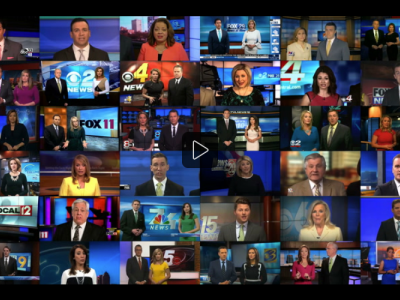
Local television stations raked in nearly $3 billion in revenues from political ads in 2012, according to data released by the Television Bureau of Advertising.
In other words, American TV viewers had to sit through more than three million political ads during the election cycle.
Forget April in Paris — that’s nothing compared to April in Denver.
Paris may have its baguettes and blooming chestnut trees — but Denver has the National Conference for Media Reform. And you need to be there.
The forces that shape U.S. media have not been kind to environmental reporting. Years of media consolidation have led to dramatic layoffs in commercial newsrooms, and environment and science desks are often the first to go.
Last year, thanks to a public outcry, the effort to pass overreaching cybersecurity legislation stalled in the Senate. Now supporters have reintroduced the House version of that legislation — the Cyber Intelligence Sharing and Protection Act (CISPA).
The “new” version is in fact identical to the original CISPA — and poses the same threat to our digital civil liberties and our freedom to connect online.